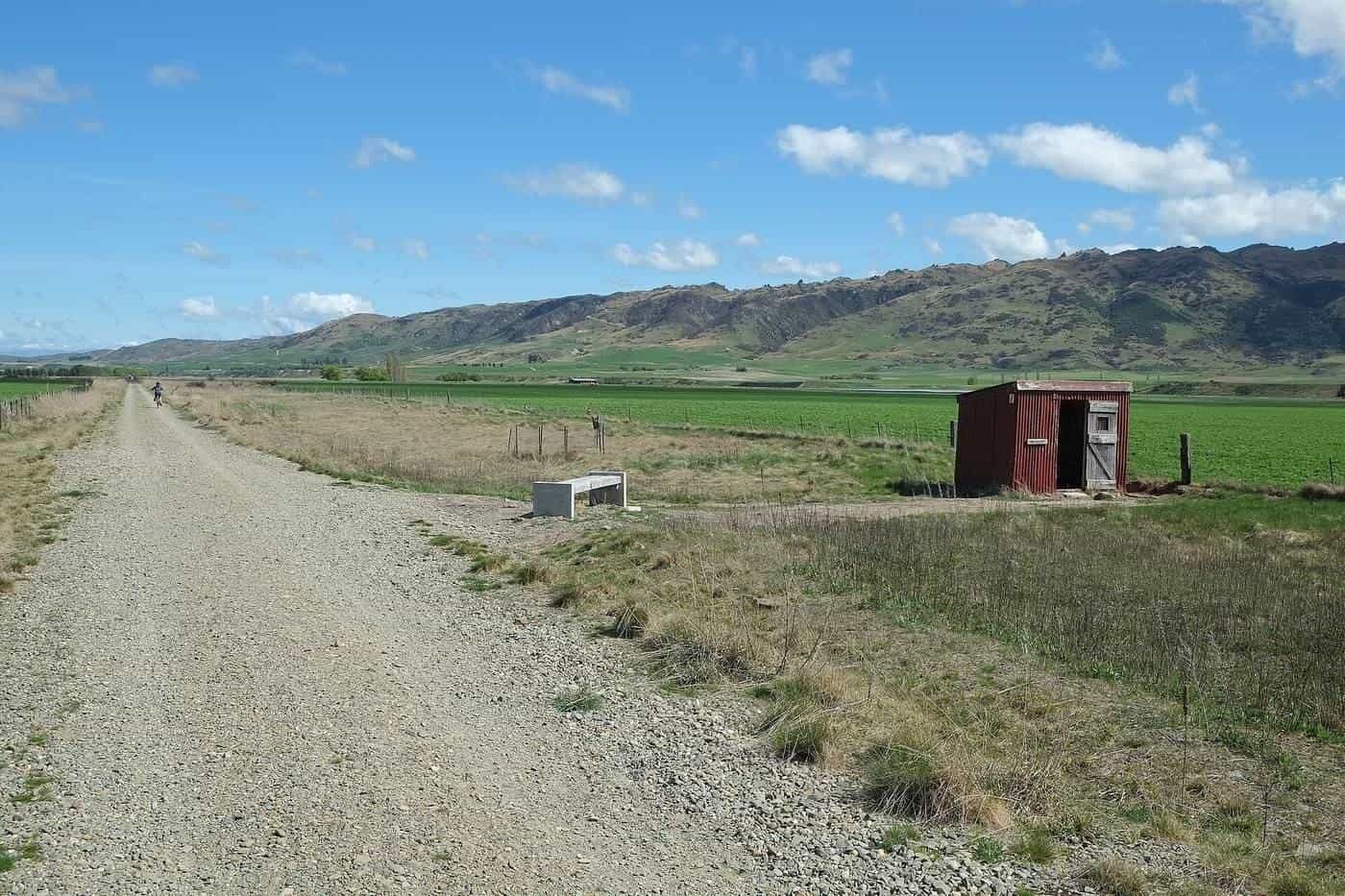
Ask a keen cyclist to name a rail trail, and there's a good chance they'll say the Otago Central Rail Trail. Running 150 km through the dramatic, dry landscapes of Central Otago in New Zealand's South Island, it's one of the best-known bike rides in the southern hemisphere, and a regular choice for Australians looking for an overseas bike tour close to home.
It's also a story of how a closed railway can transform a region. This guide covers the history, the route, the tunnels and viaducts, how long to allow, the climate and how to plan your ride.
Trail overview
150 km
Length
Middlemarch to Clyde
618 m
Highest point
Between Ranfurly and Oturehua
3–5 days
By bike
Suggested by Wikipedia
The Otago Central Rail Trail is a 150 km walking, cycling and horse riding track. It runs in an arc between Middlemarch and Clyde, along the route of the former Otago Central Railway. A pioneering project for New Zealand, it joined the New Zealand Cycle Trail network in 2012, having been one of the inspirations for it.
History
The Otago Central Railway was completed around the turn of the 20th century and linked Central Otago with Dunedin until it closed in April 1990. The first 64 km from the junction with the Main South Line at Wingatui remain operational, including the section through the Taieri Gorge to Middlemarch, which is run as a tourist railway.
The New Zealand Department of Conservation recognised the potential of the rest of the route to Clyde as a recreational facility and bought the formation after the rails and sleepers were removed. The trail has since become a major tourist attraction and, according to Wikipedia, by a large margin the biggest non-farming economic factor in the Maniototo–Alexandra area. Its success helped the New Zealand Cycle Trail project win funding.
The route
The trail starts at Middlemarch in the east, at 201 m above sea level, and loops north through the countryside of the Strath Taieri and the Maniototo, then turns south-west to end at Clyde, on the banks of the Clutha River. Along the way it passes through or past several small towns, including Ranfurly, Oturehua and Alexandra.
Tunnels and viaducts
The trail passes through three tunnels (the two Poolburn Gorge tunnels and the Prices Creek tunnel) and over several large viaducts. A torch is advised for the tunnels. These engineering features are among the highlights of the ride.
Gradients
The contours are best described as easy, having been built to allow steam trains to climb the gentle inclines even in winter. The trail climbs from 201 m at Middlemarch to its highest point of 618 m between Ranfurly and Oturehua.
How many days?
According to Wikipedia, to enjoy the scenery, the engineering, and the towns and people along the way, you should allow 3 to 5 days to cycle the trail, or 5 to 7 days to walk it. Fit riders can go faster, but the trail rewards a relaxed pace. Our ride planner includes the Otago Central Rail Trail.
Services and the "Ale Trail"
The trail traverses open country with little accommodation or food between the typical stops, so you need to be self-sufficient for much of each day. Towns have, however, developed facilities for trail users, and companies have sprung up to help, for example by moving luggage between towns. Thanks to the growing number of pubs along the route, the trail has been nicknamed the "Ale Trail".
Toilets are available at several points, and the trail is well maintained and signposted. Mountain bikes can be rented in Middlemarch, Ranfurly, Alexandra and Clyde, and some cycle shops also transport riders and bikes and move luggage.
Climate and wind
Central Otago has one of the few continental climates in New Zealand, with extremes of temperature. Midsummer daytime temperatures frequently climb above 28 °C, and in winter some days stay below freezing all day. Spring and autumn are popular for riding, with autumn colours a highlight.
Wind is a known issue. Strong winds can develop from the nearby mountain ranges under certain weather conditions, slowing riders going in the wrong direction to a crawl. Check the forecast and consider riding with the wind, or build in flexibility.
Getting there and back
The trail is in the South Island, between Dunedin and Central Otago. Many riders start at Middlemarch, reached from Dunedin by road or by the tourist railway through the Taieri Gorge, and finish at Clyde, near Alexandra and within reach of Queenstown and Wanaka. The return journey to Middlemarch or Dunedin can also be made on foot or by bike over the historic Old Dunstan Road, used by gold miners. Transport operators run shuttles for riders and bikes.
Planning tips for Australians
- Passports and biosecurity: New Zealand has strict biosecurity rules. Clean your bike, shoes and camping gear thoroughly before you travel, and declare them on arrival.
- Hire or bring a bike: hiring locally avoids the cost and hassle of flying with a bike.
- Packages: many operators offer packages with bike hire, accommodation and luggage transfers. Read our guided or self-guided tours guide.
- Road rules: New Zealand drives on the left like Australia, and helmets are also compulsory for cyclists there. Check local rules before you ride on roads.
Otago Central checklist
0 of 6 done
Ticks are saved in this browser only.
Before you go
Plan your direction around the wind forecast and your transport. Book accommodation in towns such as Middlemarch, Ranfurly, Oturehua, Alexandra and Clyde well ahead in busy periods. Decide whether to hire bikes locally or bring your own, and arrange luggage transfers and shuttles if you want to ride with only a day bag. Pack for big temperature swings, a torch for the tunnels and plenty of water and snacks for the long gaps between towns.
Supporting the trail
The trail is managed by the Otago Central Rail Trail Charitable Trust, which publishes information for riders. Supporting local businesses along the way helps keep the trail towns thriving.
Key points
The Otago Central Rail Trail runs 150 km from Middlemarch to Clyde along the former Otago Central Railway, closed in 1990. It has gentle gradients, three tunnels and several viaducts, and climbs to 618 m. Allow 3 to 5 days to cycle it, book accommodation early, bring a torch, and plan for wind and temperature extremes.
Related guides
Compare Australia's Munda Biddi Trail, and read our guided or self-guided tours guide.
Frequently asked questions
How long is the Otago Central Rail Trail?
The trail is 150 km long, running in an arc between Middlemarch and Clyde in the South Island of New Zealand, along the route of the former Otago Central Railway.
How many days does it take to cycle the Otago Central Rail Trail?
According to Wikipedia, 3 to 5 days should be allowed to cycle the trail, and 5 to 7 days to walk it, to enjoy the scenery, engineering and towns along the way.
Is the Otago Central Rail Trail hard?
No. The gradients are gentle because the railway was built for steam trains. The trail climbs from 201 m at Middlemarch to its highest point of 618 m between Ranfurly and Oturehua. Strong winds can make some days harder.
Can I hire bikes and get luggage transfers?
Yes. Mountain bikes can be rented in Middlemarch, Ranfurly, Alexandra and Clyde, and some cycle shops provide transport for riders and bikes and move luggage.
Do I need a torch?
A torch is advised for the trail's three tunnels, the two Poolburn Gorge tunnels and the Prices Creek tunnel.
When did the railway close?
The Otago Central Railway closed in April 1990. The New Zealand Department of Conservation then bought the formation beyond Middlemarch for recreational use.
Sources and further reading
Facts on this page were checked against these primary and official sources. Conditions change — confirm before you travel or buy.
- Otago Central Rail Trail — Wikipedia
- Rail trail — Wikipedia