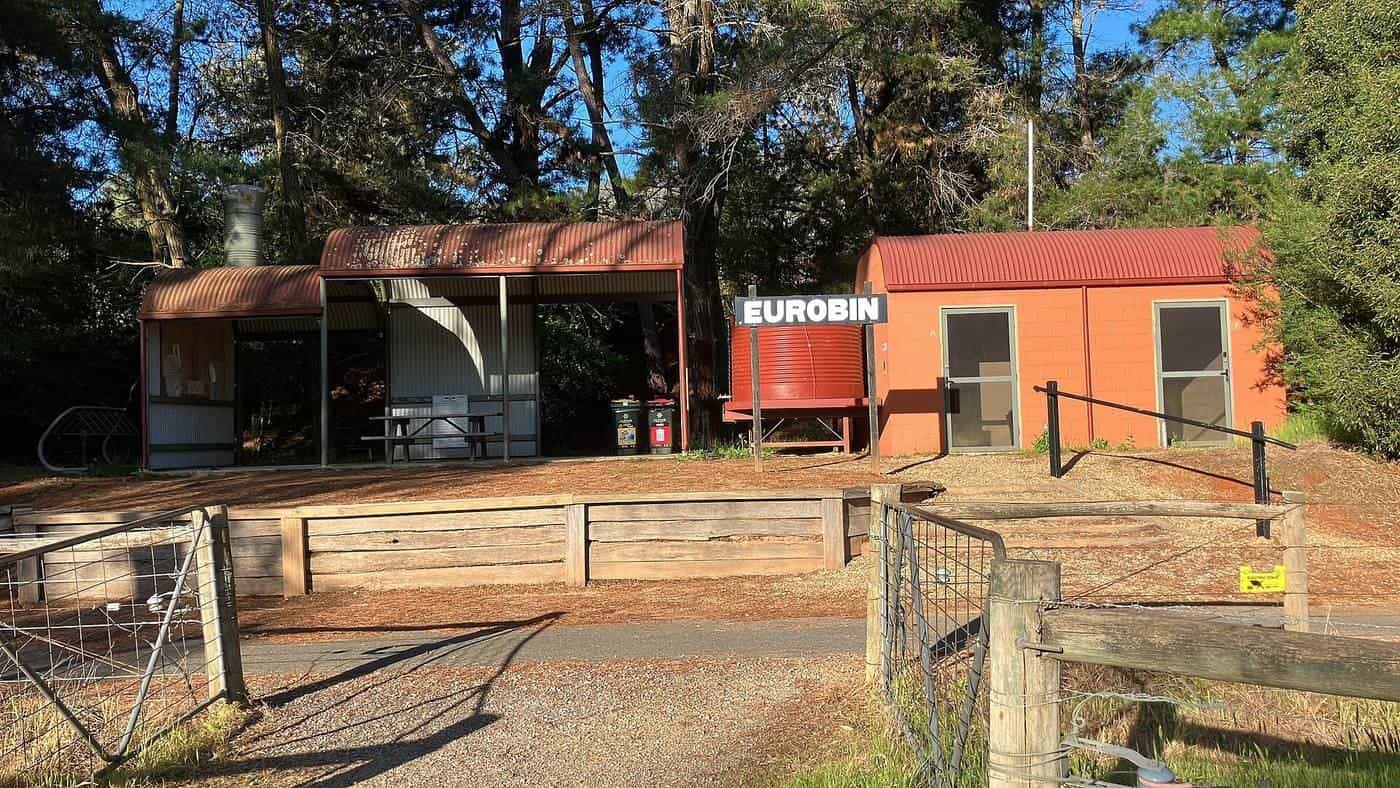
A good bike tour looks effortless from the outside: rolling along a quiet trail, stopping for coffee, arriving at a comfortable bed in time for a shower and dinner. Behind that is a bit of planning. Choosing the right trail, splitting the distance sensibly, booking accommodation, arranging transport and knowing the rules all make the difference between a great trip and a tough one.
This hub brings together our planning guides and the key decisions you'll make before you go.
Step 1: Choose a ride
Start with what you want from the trip. A gentle wine-country ride with long lunches? A multi-day rail trail through country towns? A remote, self-supported adventure? Browse our rail trails and epic rides hubs for ideas, and be honest about your fitness and experience.
Step 2: Work out the days
Once you have a trail in mind, work out how many days you need. Our ride planner takes the trail distance, your average speed and the number of hours you like to ride each day, and splits the trip into days. Then look at where towns and accommodation fall along the route, and adjust. It's usually better to plan shorter days than you think you can manage, especially on a multi-day trip, so you have time to enjoy the places you pass through.
1990–92
Compulsory helmets
Australia was first
1 m / 1.5 m
Passing distance
At or under / over 60 km/h
3–5 days
Otago Central by bike
Typical suggestion
Step 3: Guided, self-guided or independent?
There are three common ways to do a bike tour:
- Guided tours - an operator plans the route, provides a guide and often a support vehicle, handles accommodation and meals, and moves your luggage.
- Self-guided tours - an operator books accommodation, provides maps and notes, and often moves your luggage, but you ride on your own schedule.
- Independent touring - you plan and book everything yourself, and carry your own gear or arrange transfers.
Read our guided or self-guided tours guide for the pros and cons and questions to ask operators.
Step 4: Bikes and gear
You can tour on your own bike, hire one in a trail town, or take an e-bike. Make sure your bike suits the surface: gravel trails need wider tyres. Get your bike serviced before a long trip, and learn to fix a puncture. Our packing guide covers bikes, repair kits, clothing and a checklist.
Step 5: Know the rules and stay safe
Australian road rules apply to cyclists on roads, and rail trails have their own rules about sharing with walkers and horses. Key points:
- Helmets are required when riding in every state. Australia was the first country to make them compulsory, between 1990 and 1992.
- Passing distance: in jurisdictions including NSW, SA and the NT, drivers must leave at least 1 m when passing a cyclist in a 60 km/h or lower zone, and 1.5 m above 60 km/h.
- Footpaths: rules differ by state.
- Hand signals: rules also differ. In Western Australia and Tasmania, riders must use both hand signals, according to Wikipedia.
Read our road rules and safety guide for more on heat, fire, wildlife and riding in remote areas.
Step 6: Book accommodation and transport
Popular trails can be busy during school holidays, long weekends and the peak spring and autumn seasons, so book accommodation early. Wikipedia notes that accommodation on the Otago Central Rail Trail should be booked well in advance during busy periods. For one-way rides, work out how you'll get back to your car or the start, using shuttles, public transport or a luggage transfer service.
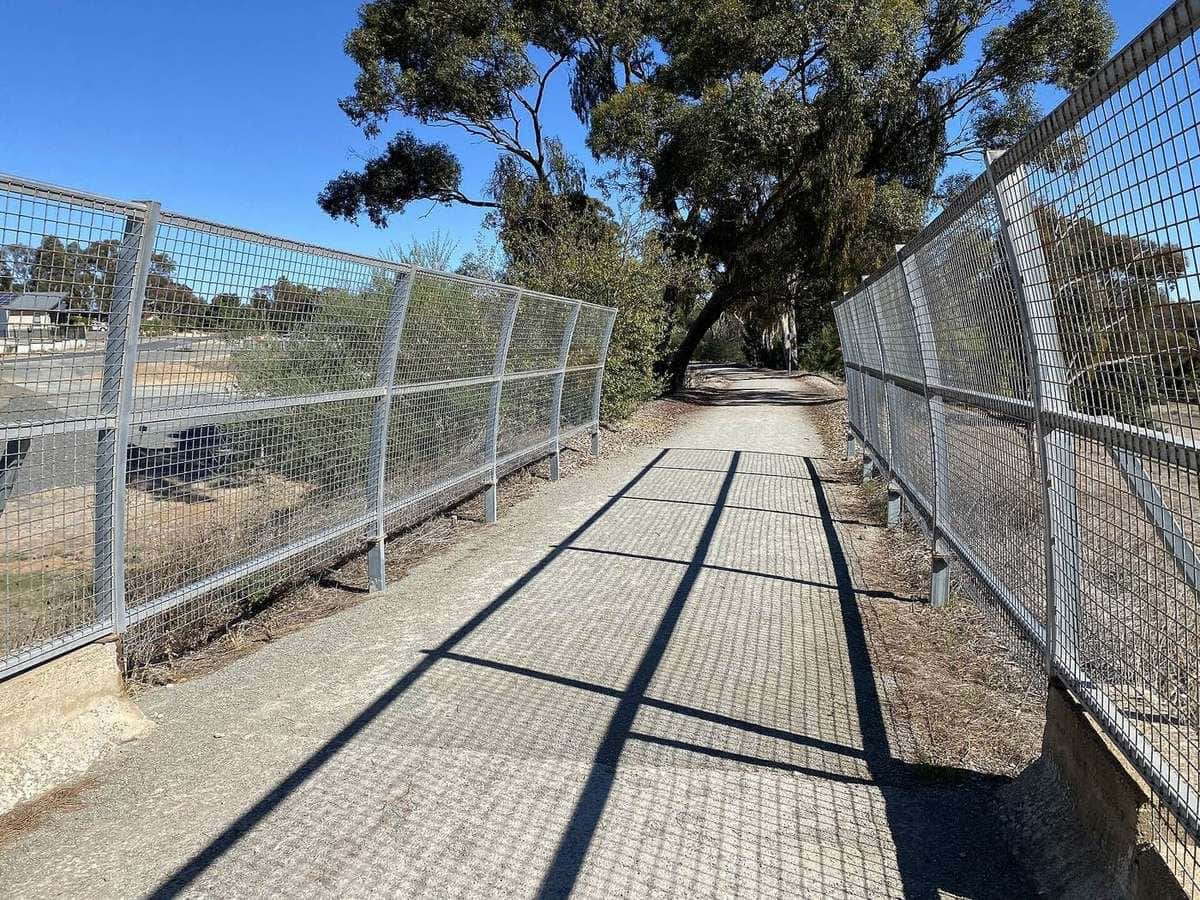
Step 7: Check conditions before you go
Check the official trail website for closures, detours and conditions. After heavy rain, floods or fires, trails can be closed for long periods. In summer, check the fire danger rating every day. In the wet tropics, check flood warnings.
Budgeting
Costs vary widely with your choices: camping versus hotels, your own bike versus hire, guided tour versus independent, and how you get to the trail. We don't publish prices, because they change often, but build a simple budget covering transport, accommodation, food, bike hire or servicing, luggage transfers, insurance and a contingency for breakdowns or weather delays.
Travelling with kids
Rail trails are great for families. Choose short sections with smooth surfaces and plenty of stops, consider trailers, tag-alongs or cargo bikes for young children, and make sure everyone has a properly fitted helmet. Plan for ice creams, playgrounds and swims, not just kilometres.
Bike tour planning checklist
0 of 7 done
Ticks are saved in this browser only.
Guides in this section
Plan your ride
Road rules and safety for bike tourers
Cycling road rules and safety for bike tours in Australia: helmets, passing distances, lights, footpaths, riding two abreast, heat, bushfire and wildlife.
Read · 5 min
Plan your ride
Guided or self-guided bike tours?
Guided, self-guided or independent bike tours: how each works, pros and cons, luggage transfers, e-bikes, questions to ask operators and how to choose.
Read · 5 min
Plan your ride
What to pack for a bike tour
What to pack for a bike tour in Australia: choosing a bike, bags and panniers, repair kit, clothing, navigation, safety gear and a printable checklist.
Read · 5 min
Frequently asked questions
How far should I plan to ride each day?
It depends on your fitness, the surface, hills, luggage and how much you want to stop. Many relaxed tourers plan modest days with time for sightseeing. Use our ride planner with your own speed and preferred hours to estimate.
Are helmets compulsory for cyclists in Australia?
Yes, helmets are required when riding in every state. In the Northern Territory, riders over 17 don't need a helmet on footpaths or public places but must wear one on the road.
How much room must drivers give cyclists?
In jurisdictions including New South Wales, South Australia and the Northern Territory, drivers must leave at least 1 metre when passing a cyclist where the speed limit is 60 km/h or less, and 1.5 metres where it is higher.
Can I ride on the footpath in Australia?
It depends on the state. Cyclists of all ages can ride on footpaths in South Australia and the Northern Territory, for example, but rules differ elsewhere. Check the rules for the state you're riding in.
Do I need travel insurance for a bike tour?
It's wise to have insurance that covers cycling, medical costs and your bike. Check the policy wording carefully, as some policies exclude certain activities.
Sources and further reading
Facts on this page were checked against these primary and official sources. Conditions change — confirm before you travel or buy.
- Cycling in Australia — Wikipedia
- Bicycle safety — Northern Territory Government
- Cycling laws — Government of South Australia
- Sharing the road — Transport for NSW
- Bicycle touring — Wikipedia