Packing for a bike tour is a balancing act. Take too little and you might be cold, hungry or stuck with a puncture you can't fix. Take too much and every hill feels twice as steep. The right kit depends on your tour style: a self-guided rail trail tour with luggage transfers needs far less than a self-supported ride on the Munda Biddi.
This guide covers choosing a bike, how to carry your gear, repair kits, clothing, navigation and safety gear, plus camping kit for self-supported trips. Use the checklist at the end before you go.
Start with your tour style
Wikipedia describes several types of touring, and each needs a different kit:
- Lightweight ("credit-card") touring: no camping gear, staying in paid accommodation. You carry clothes, a repair kit, food for the day and essentials.
- Ultralight touring: a lightweight tent, sleeping bag and sleeping pad, plus the essentials.
- Fully loaded touring: everything, including food and cooking gear.
- Supported or self-guided tours with luggage transfers: just a day bag on the bike.
2
Night lights required
White front, red rear
2
Reflectors required
White front, red rear
1
Bell or horn
In good working order
Choosing a bike
Match the bike to the surface:
- Sealed trails (like the Murray to Mountains): road, hybrid, gravel or touring bikes all work.
- Gravel and dirt trails (like the Brisbane Valley Rail Trail, which is not suitable for road bikes): hybrid, gravel, touring or mountain bikes with wider tyres.
- Rough off-road trails (like much of the Munda Biddi and Mawson trails): mountain bikes or sturdy gravel bikes.
- E-bikes: great for hills and mixed groups. Check battery range against daily distances and plan where to charge.
Whatever you ride, get it serviced before the trip, and ride it loaded before you go to check the fit and handling. If you're hiring, ask for the bike to be fitted to you.
Carrying your gear
- Panniers clip onto racks and carry plenty. They suit touring bikes on sealed and gravel trails.
- Bikepacking bags - frame, seat and handlebar bags - keep weight centred and suit rough trails and bikes without racks.
- Handlebar bag or top-tube bag for snacks, phone, sunscreen and wallet.
- Avoid heavy backpacks. Wikipedia notes that a large or heavy backpack can make cycling harder by affecting balance and comfort. A small hydration pack is fine.
Pack heavy items low and centred, and keep things you need often within easy reach.
Repair kit
Punctures and minor mechanical problems are part of touring. Carry:
- spare tubes (at least two) and a puncture repair kit
- tyre levers and a pump (or CO2 inflator)
- a multi-tool with the right hex keys and a chain breaker
- spare chain links or a quick link
- a tubeless plug kit if you run tubeless tyres
- zip ties and electrical tape
- on long trips: brake pads, a spare derailleur hanger, spare spokes and chain lube
Learn to fix a puncture and adjust brakes before you go. Many bike shops run basic maintenance classes.
Clothing
- Helmet - an approved, properly fitted helmet is compulsory in Australia.
- Padded shorts or liners - comfort on long days.
- Breathable tops - quick-drying, with sun protection.
- Rain jacket - lightweight and packable.
- Warm layers - a fleece or insulated jacket for cold mornings and evenings. Central Otago, for example, can have days below freezing in winter.
- Gloves - for comfort and protection.
- Sunglasses - for sun, dust and insects.
- Off-bike clothes and shoes - something comfortable for the evenings.
Navigation
- Official trail maps or apps, downloaded for offline use.
- A phone mount and a power bank.
- A GPS device or bike computer for long or remote trails.
Safety gear
- Lights - a white front light and a red rear light are required at night, and useful in tunnels, such as those on the Otago Central Rail Trail.
- Reflectors and a bell - required equipment.
- First aid kit - including a snake bandage in snake country.
- Sun protection - sunscreen, lip balm.
- Water - bottles or a hydration pack, with enough capacity for the longest gap between refills.
- PLB or satellite messenger - for remote trails.
- ID, cards and emergency contacts.
Camping kit (self-supported tours)
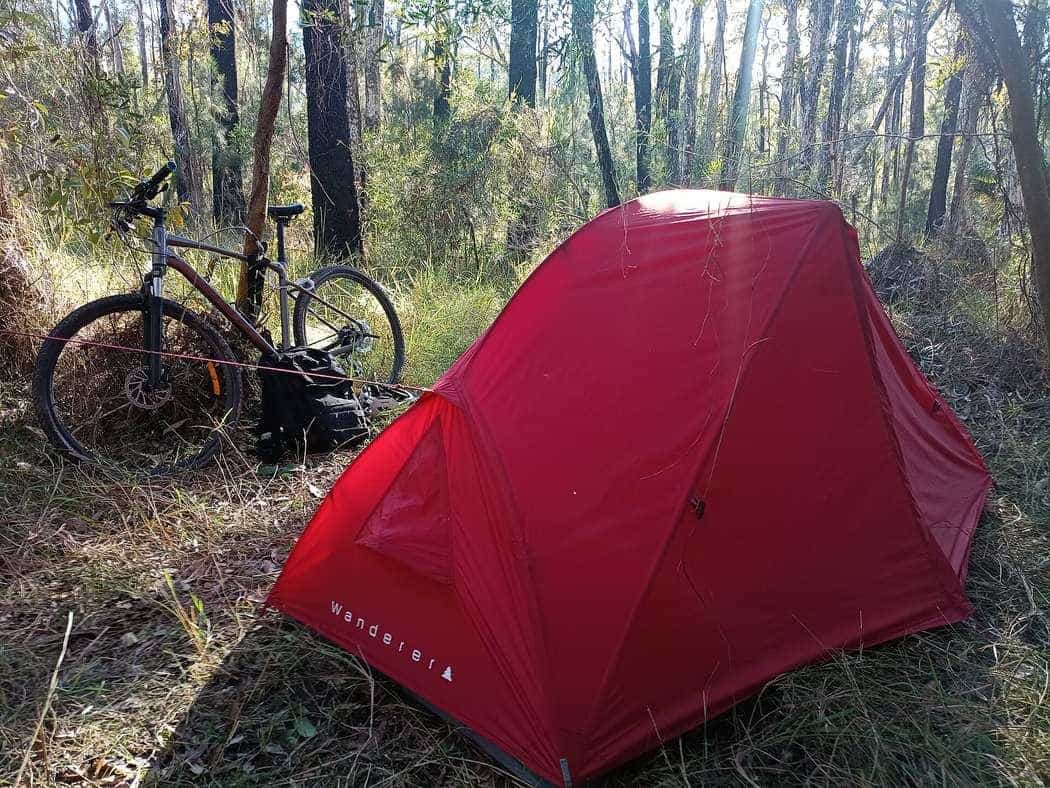
- lightweight tent or bivvy
- sleeping bag rated for the conditions
- sleeping pad
- stove, fuel, pot and utensils
- water treatment
- headlamp
- food for the distance to the next resupply
Food and water
Carry snacks you'll actually eat, and eat little and often. On hot days, add electrolytes. Know where you can refill water, and carry more than you think you'll need on long or remote sections.
Bike tour packing checklist
0 of 13 done
Ticks are saved in this browser only.
What not to pack
It's easy to overpack. Leave behind duplicate clothes (wash and dry them as you go), heavy books, full-size toiletries and anything you're carrying "just in case" that you can easily buy in a town on the way. On supported or self-guided tours with luggage transfers, pack within the operator's bag size and weight limits. Every kilo you leave at home makes the hills easier and the riding more fun.
Packing for different seasons
Summer: extra water capacity, electrolytes, sun protection, a sun-shade cap under your helmet and light, breathable clothing. Plan to ride early.
Winter: warm layers, full-finger gloves, a buff or neck warmer, overshoes in wet regions and good lights for short days.
Spring and autumn: layers for cool mornings and warm afternoons, and a rain jacket for changeable weather.
Check the forecast for every region on your route, as conditions can vary widely across a long tour.
Packing for kids
Children need their own properly fitted helmets, a light, snacks they like, a water bottle, sun protection and a spare layer. Pack a small first aid kit with plasters and a few treats for tired legs.
Key points
Pack for your tour style, match your bike to the surface, carry your gear low and centred rather than in a heavy backpack, and bring a repair kit you know how to use. Lights, reflectors, a bell and an approved helmet are required. Add layers, sun protection, water capacity and a PLB for remote trails, and test-pack before you go.
Related guides
Read road rules and safety and plan a ride on the Munda Biddi Trail.
Frequently asked questions
What is the best bike for a rail trail tour?
It depends on the surface. On sealed trails like the Murray to Mountains, almost any bike works. On gravel and dirt trails like the Brisbane Valley Rail Trail, which is not suitable for road bikes, choose a hybrid, gravel, touring or mountain bike with wider tyres.
Should I use panniers or bikepacking bags?
Panniers carry more and suit sealed and gravel trails and touring bikes with racks. Bikepacking bags keep weight centred and suit rough, off-road trails and bikes without racks. Avoid heavy backpacks, which can affect balance and comfort.
What should be in a bike repair kit?
At minimum, spare tubes, a puncture repair kit, tyre levers, a pump, a multi-tool, and spare chain links or a quick link. On long trips, add brake pads, a spare derailleur hanger and zip ties.
What lights do I need?
If you ride at night, you need a white front light and a red rear light. Bikes also need a bell or horn, a white front reflector and a red rear reflector, according to the Northern Territory Government. Lights are also helpful in tunnels.
What should I wear on a bike tour?
Padded shorts, breathable layers, a rain jacket, gloves, sunglasses and an approved helmet. Pack warm layers for cold mornings and sun protection for hot days.
Sources and further reading
Facts on this page were checked against these primary and official sources. Conditions change — confirm before you travel or buy.
- Bicycle touring — Wikipedia
- Bicycle safety — Northern Territory Government
- Brisbane Valley Rail Trail — Wikipedia
- Otago Central Rail Trail — Wikipedia