One of the first decisions in planning a bike tour is how much help you want. Some people love planning every detail and carrying everything they need. Others want to simply turn up, ride and find their luggage waiting at a comfortable hotel. Most people fall somewhere in between.
This guide explains the main styles of bike touring, the pros and cons of guided, self-guided and independent trips, and the questions to ask before you book. We don't recommend specific operators, and we don't take bookings.
Styles of bike touring
Wikipedia describes several types of bicycle touring. The ones most relevant to Australia and New Zealand are:
- Lightweight or "credit-card" touring - you carry minimal gear and no camping equipment, staying in paid accommodation and buying food at cafes, restaurants or markets.
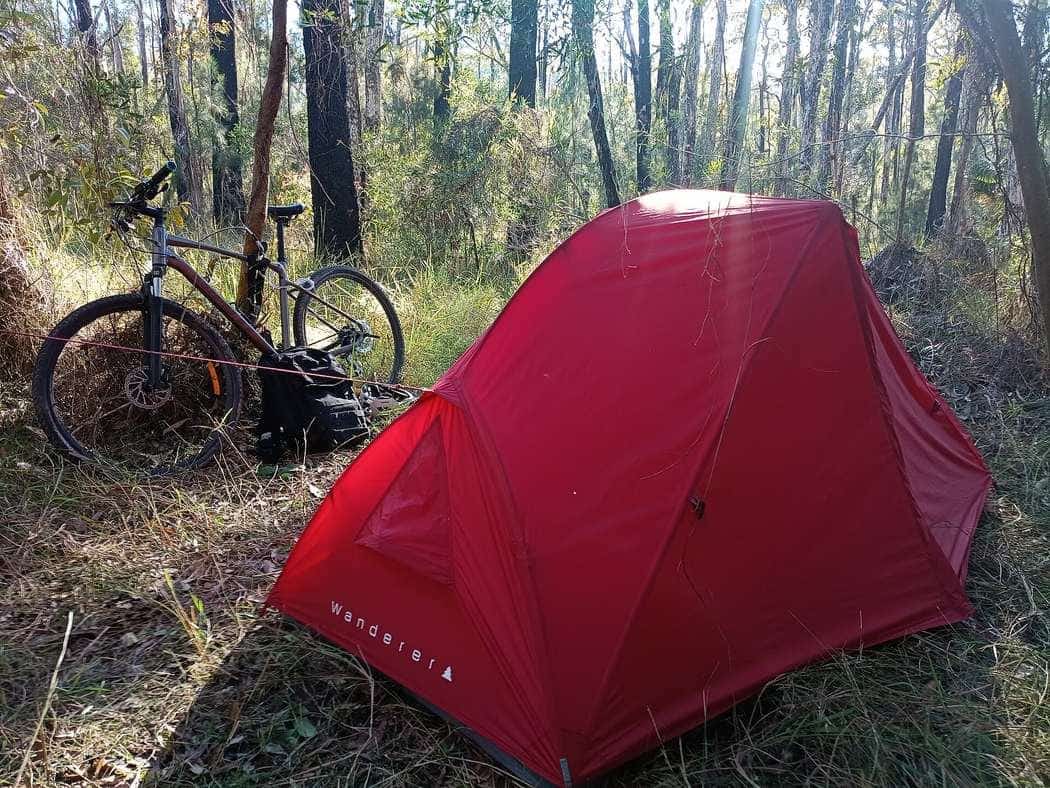
- Ultralight touring - you're more self-sufficient, carrying just the essentials, including a lightweight tent, sleeping bag and sleeping pad.
- Fully loaded or self-supported touring - you carry everything you need, including food, cooking equipment and a tent.
- Bikepacking - riding mixed terrain with an ultralight camping approach and minimal gear, often in frame and seat bags rather than panniers.
- Supported touring - a motor vehicle carries most of the equipment. This can be organised by a group of riders or by a commercial company selling places on guided tours, including accommodation, luggage transfers, route planning and often meals and bike hire.
3
Main ways to tour
Guided, self-guided, independent
Biennial
Mawson Trail guided tour
Bicycle SA, since 2002
3–5 days
Otago Central by bike
Typical allowance
Guided tours
On a guided tour, an operator plans the route and a guide rides with the group. A support vehicle often carries luggage, spare parts and tired riders. Accommodation, many meals and sometimes bike hire are included.
Pros:
- No planning or navigation.
- Support vehicle for luggage, mechanical problems and fatigue.
- Local knowledge, stories and access to places you might miss.
- Company: great for solo travellers.
- Safety: someone experienced is in charge.
Cons:
- Less flexibility: fixed dates, routes and daily distances.
- Riding with a group of varied abilities.
- Usually the most expensive option.
Guided tours suit first-time tourers, solo travellers and anyone who wants a stress-free holiday. On long trails, they can make a huge difference: Bicycle SA, for example, has hosted a guided two-week tour of the entire Mawson Trail every second year since 2002, according to Wikipedia.
Self-guided tours
On a self-guided tour, an operator books your accommodation, provides maps, route notes or a GPS file, and often hires bikes and moves your luggage between towns. You ride on your own, at your own pace.
Pros:
- Freedom to ride at your own pace and stop when you like.
- Accommodation and logistics sorted.
- Luggage transfers mean you ride with just a day bag.
- Flexible start dates.
- Usually cheaper than a guided tour.
Cons:
- You navigate and handle minor mechanical problems yourself.
- Less immediate support if something goes wrong, though most operators offer phone support.
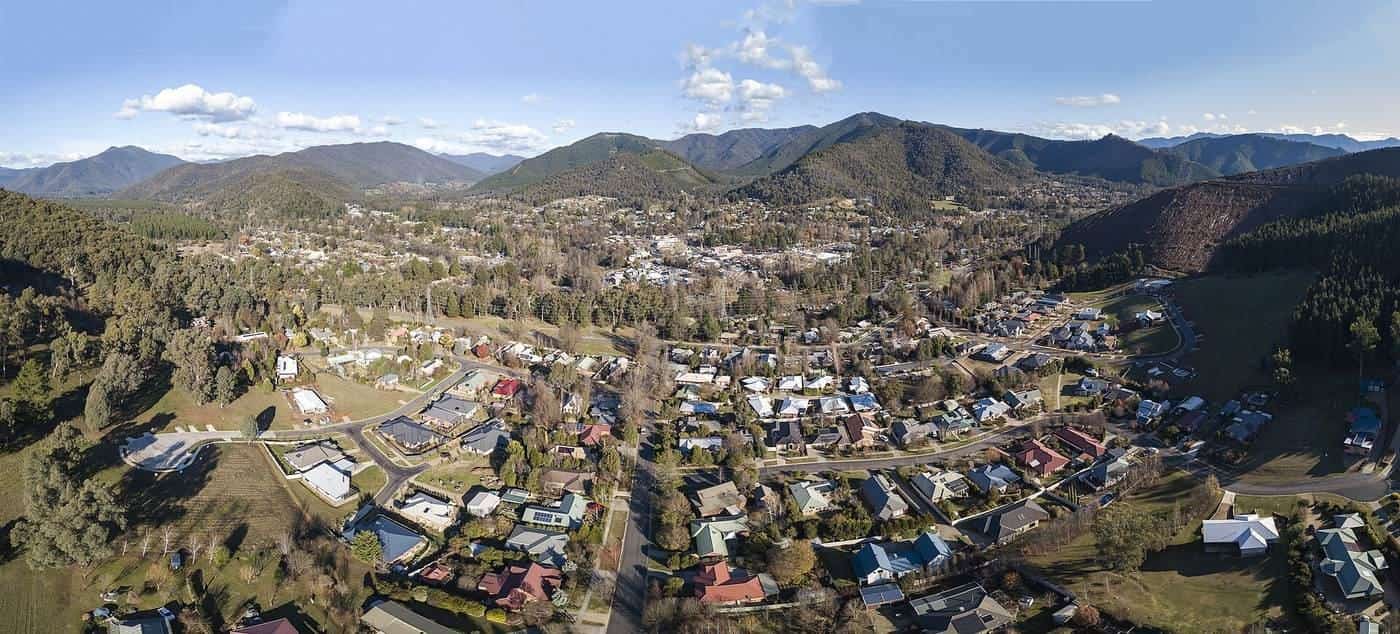
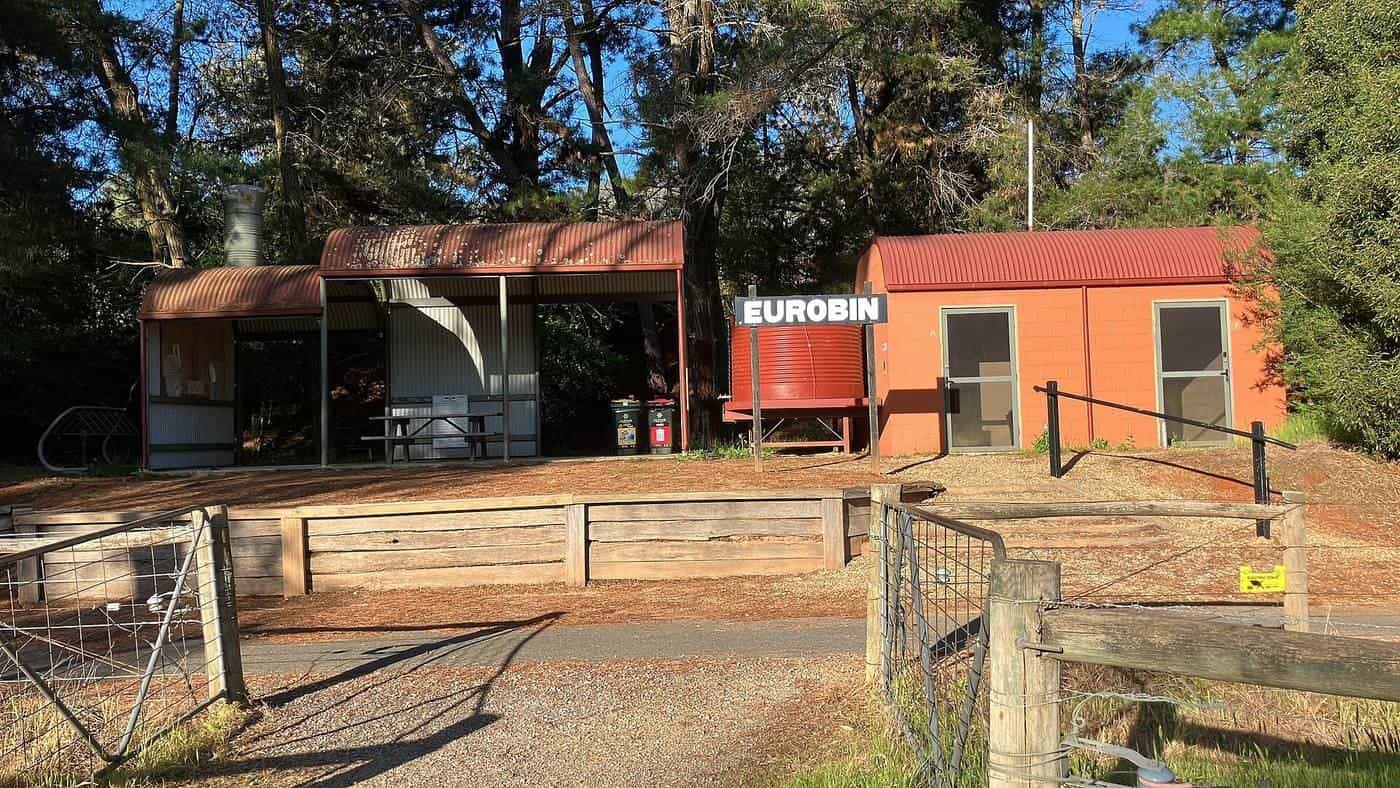
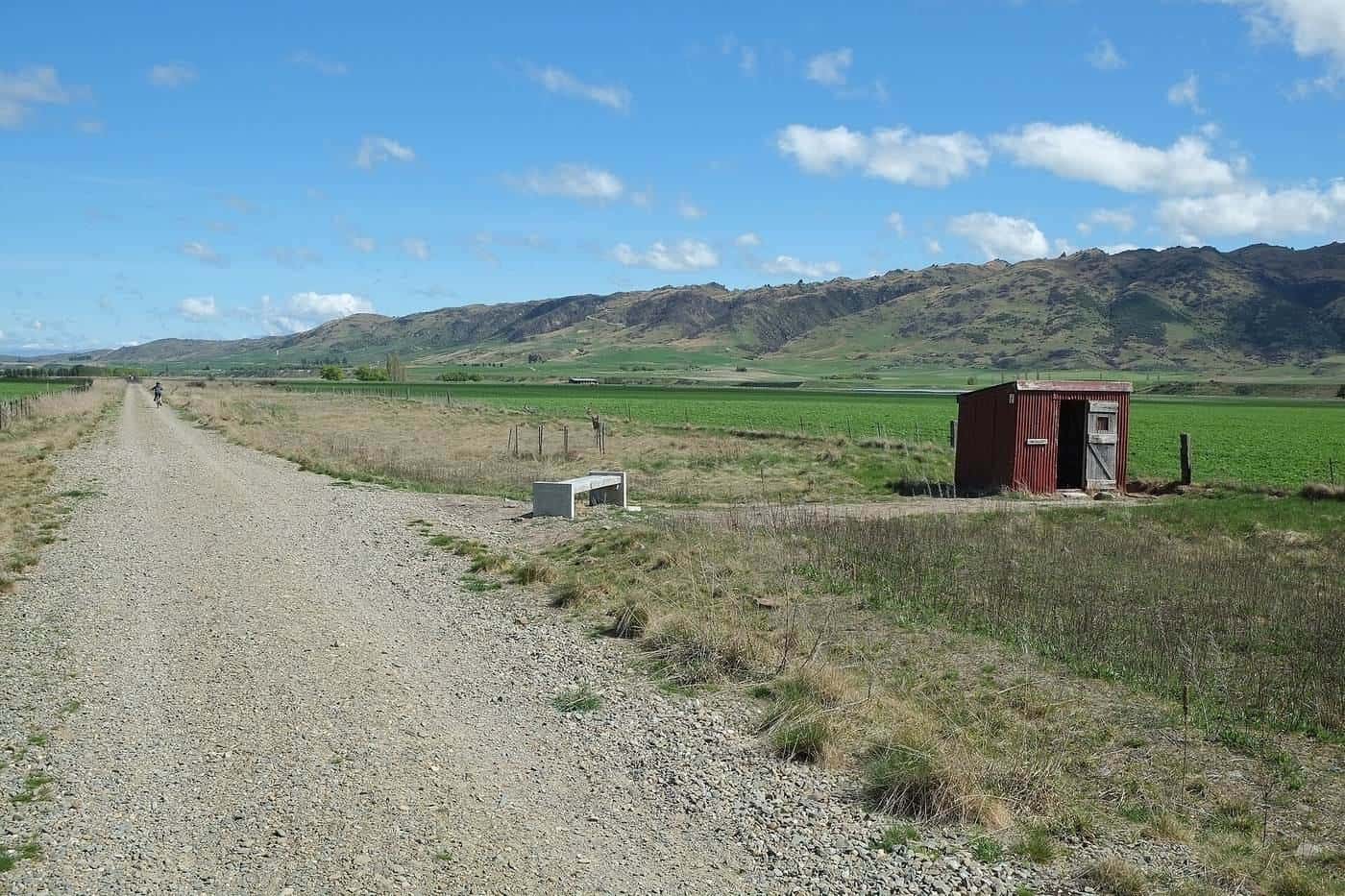
Self-guided tours are popular on rail trails, where navigation is simple and towns are close together. The Murray to Mountains and Otago Central rail trails are good examples.
Independent touring
Independent tourers plan and book everything themselves, and either carry their own gear or arrange luggage transfers and shuttles separately.
Pros:
- Complete freedom and flexibility.
- Usually the cheapest option.
- The satisfaction of planning your own adventure.
Cons:
- Planning takes time.
- You're responsible for navigation, repairs, accommodation and safety.
- Carrying luggage makes riding harder.
Mix and match
Many tourers combine options: hiring bikes locally, booking a luggage transfer service, and planning accommodation themselves. On the Riesling Trail, for example, it's possible to hire bikes and ride one way with pick-up at the other end, according to Wikipedia. On the Otago Central Rail Trail, some cycle shops provide transport for riders and bikes and move luggage.
E-bikes
E-bikes have opened bike touring to many more people. They flatten hills, reduce fatigue and let riders of different fitness levels ride together. Many operators and hire businesses offer e-bikes. Check battery range against your daily distance, where you can charge overnight, and the trail's rules on e-bikes.
Questions to ask an operator
Before booking a guided or self-guided tour, ask:
- What are the daily distances and terrain? Do they suit your fitness?
- What's included? Accommodation, meals, bike hire, luggage transfers, transport to and from the trail, park fees?
- What bikes are provided? Are they well maintained? Will they be fitted to you? Are e-bikes available?
- What support is there? A support vehicle? Phone support? What happens if you have a mechanical problem or can't finish a day?
- What is the group size? (For guided tours.)
- What are the safety procedures? First aid, emergency plans, extreme heat and fire danger policies?
- What insurance does the operator have, and what do you need?
- What is the cancellation policy? Especially for weather, fire and trail closures.
- Can they cater for dietary needs?
Choosing the right option
- First tour, want it easy? A self-guided rail trail tour with luggage transfers, or a guided tour on a gentle trail.
- Travelling solo? A guided tour for company and support.
- Experienced and on a budget? Independent touring, with your own planning.
- Remote, long-distance trail? Consider a guided or supported tour, at least for remote sections.
Booking checklist
0 of 7 done
Ticks are saved in this browser only.
Tours for groups and families
Group and family tours need extra planning. Ask operators about child seats, trailers and tag-alongs, kids' bikes and helmets, shorter daily options and accommodation that suits families. For groups of mixed fitness, e-bikes and support vehicles help everyone ride together. Self-guided tours on sealed or gentle rail trails, such as the Murray to Mountains or Riesling Trail, are popular with families.
After you book
Once you've booked, read the operator's pre-trip notes carefully, share any medical conditions and dietary needs, confirm bike sizes, and ask about weather and closure policies.
Key points
Guided tours handle everything and provide support and company, self-guided tours give you freedom with logistics sorted, and independent touring offers full flexibility at the lowest cost. Many riders mix options, using bike hire, luggage transfers and shuttles. Before booking, ask about daily distances, inclusions, bikes, support, safety, insurance and cancellations.
Related guides
Read what to pack for a bike tour and explore the Murray to Mountains Rail Trail.
Frequently asked questions
What is the difference between a guided and a self-guided bike tour?
On a guided tour, a guide rides with the group and an operator handles route, accommodation, meals and often a support vehicle. On a self-guided tour, the operator books accommodation and provides maps, notes and often luggage transfers, but you ride on your own schedule.
What is credit-card touring?
Credit-card touring, or lightweight touring, is when a rider carries minimal gear and no camping equipment, relying on paid accommodation and buying food at cafes and restaurants along the way.
Are luggage transfers available on rail trails?
On many popular trails, yes. For example, on the Otago Central Rail Trail in New Zealand, some cycle shops transport riders and bikes and move luggage between towns, and on the Riesling Trail it's possible to hire bikes and ride one way with pick-up at the other end.
Are guided bike tours suitable for beginners?
Many are. Choose a tour graded for your fitness, on a gentle trail, and ask the operator about daily distances, support vehicles and e-bike options.
How do I choose a bike tour operator?
Ask about daily distances, group size, bike quality and fit, support arrangements, safety procedures, insurance, cancellation policies and what's included. Read independent reviews. We don't recommend specific operators.
Sources and further reading
Facts on this page were checked against these primary and official sources. Conditions change — confirm before you travel or buy.
- Bicycle touring — Wikipedia
- Otago Central Rail Trail — Wikipedia
- Riesling Trail — Wikipedia
- Mawson Trail — Wikipedia