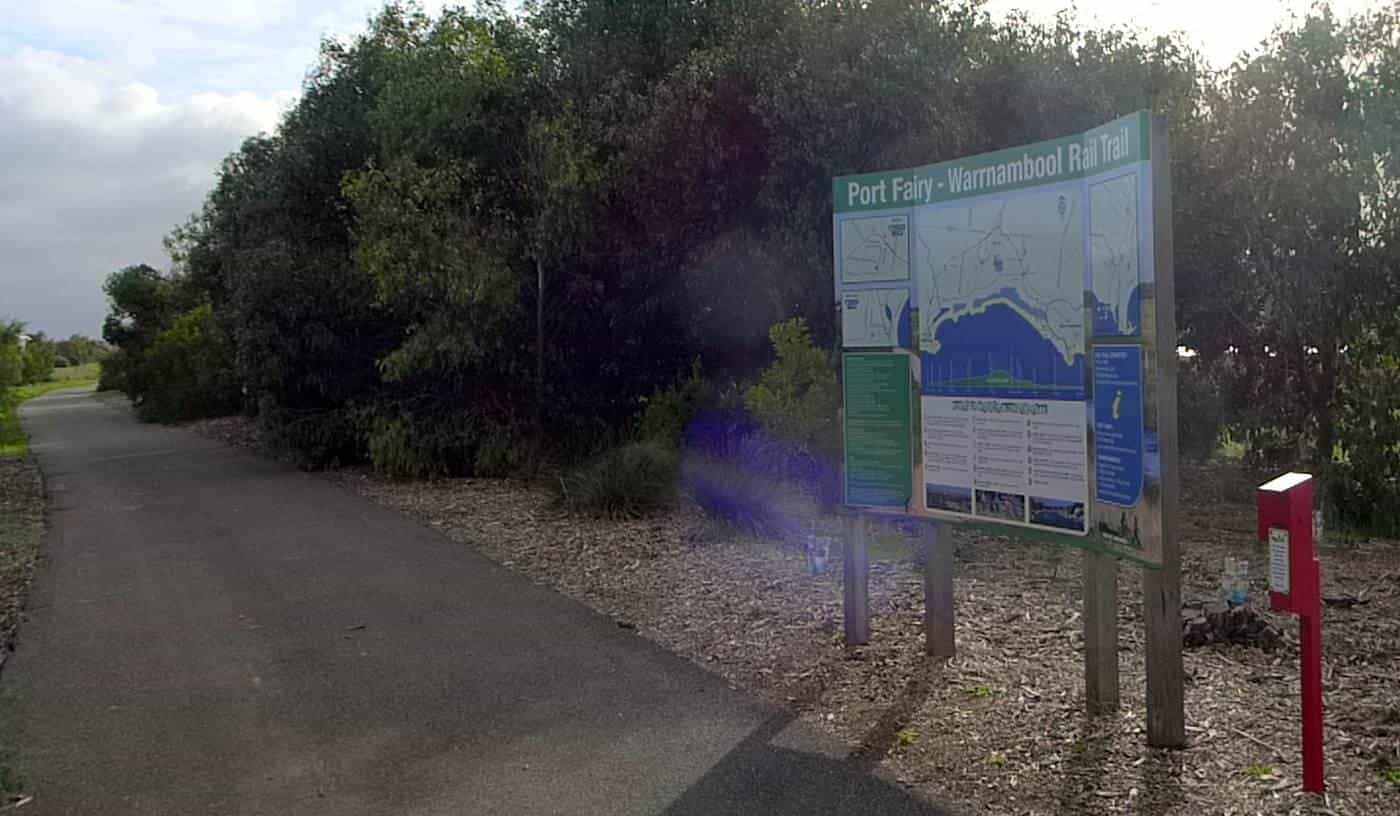
Across Australia, railway lines that once carried wheat, timber, wine, milk and passengers have fallen silent. Many have been given a second life as rail trails: shared paths for cyclists, walkers and sometimes horse riders, built on the old railway formation. They are among the best ways to start bike touring, and among the most rewarding ways to explore regional Australia.
This hub explains what makes rail trails special, how to choose one, and what to expect on the trail. Then dive into our detailed guides to five of the country's best-known rail trails.
What is a rail trail?
A rail trail is a path built along a disused railway corridor. After the rails and sleepers are removed, the formation is resurfaced, usually with gravel, crushed rock or compacted granite, sometimes with asphalt or concrete. Old bridges and tunnels are restored where possible, and stations, sidings and platforms often survive as rest stops and points of interest.
161 km
Brisbane Valley
Longest in Australia
134 km
Great Victorian
Second longest
35 km
Riesling Trail
A gentle day ride
Why rail trails suit bike touring
- Gentle grades. Steam trains couldn't climb steep hills, so railway engineers built long, gradual climbs, cuttings and embankments. That makes rail trails easier than most roads.
- Away from traffic. Most of the riding is separated from cars, with road crossings at intervals.
- Towns along the way. Railways linked towns, so rail trails pass through them, with cafes, pubs, accommodation and water.
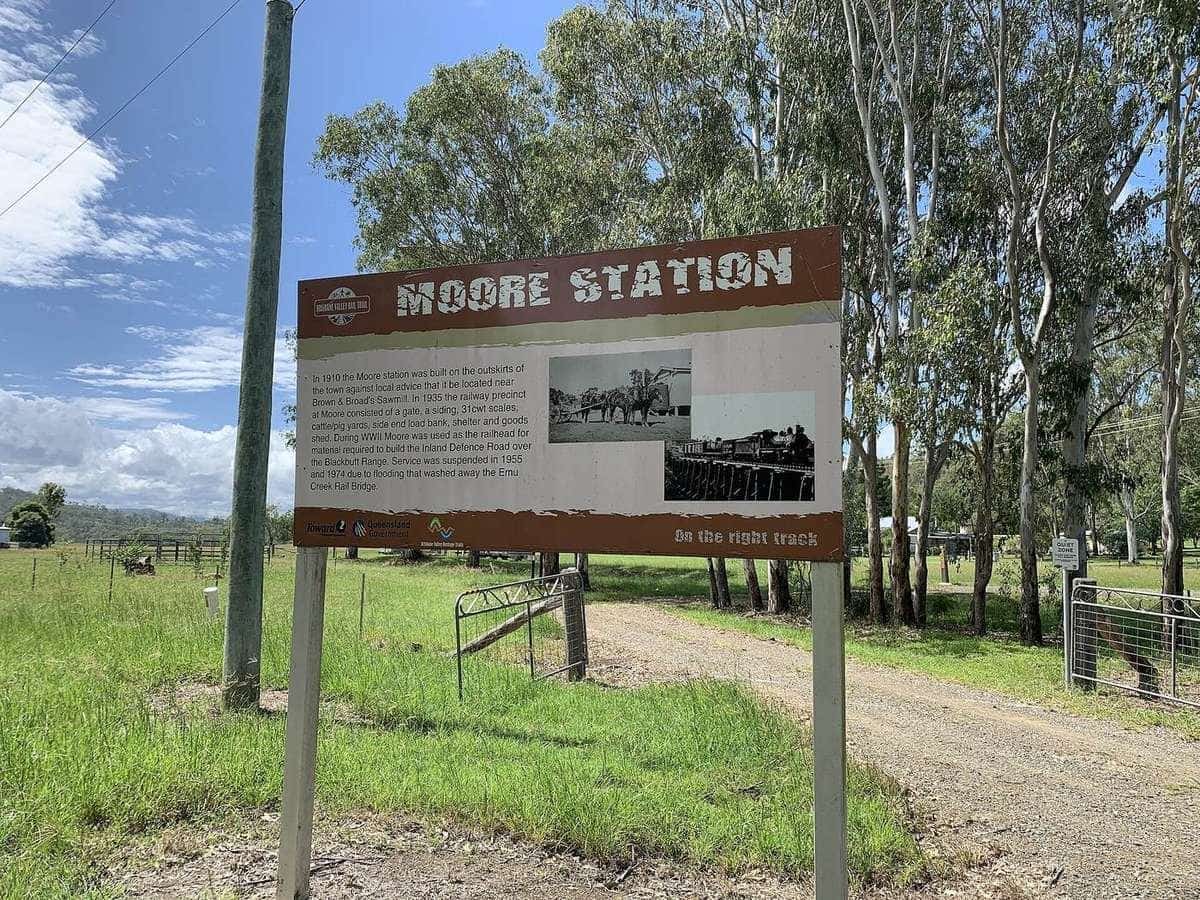
- History. Many trails have interpretive signs about the railway and the towns it served, and the landscape it passes through.
- Flexible. You can ride a short section as a day trip, or the whole trail over several days.
Our rail trail guides
Brisbane Valley Rail Trail (Queensland)
The longest rail trail in Australia at 161 km, running from Wulkuraka in Ipswich to Yarraman on the Great Dividing Range. The mostly unsealed surface suits hybrid, gravel and mountain bikes. Read the guide.
Great Victorian Rail Trail (Victoria)
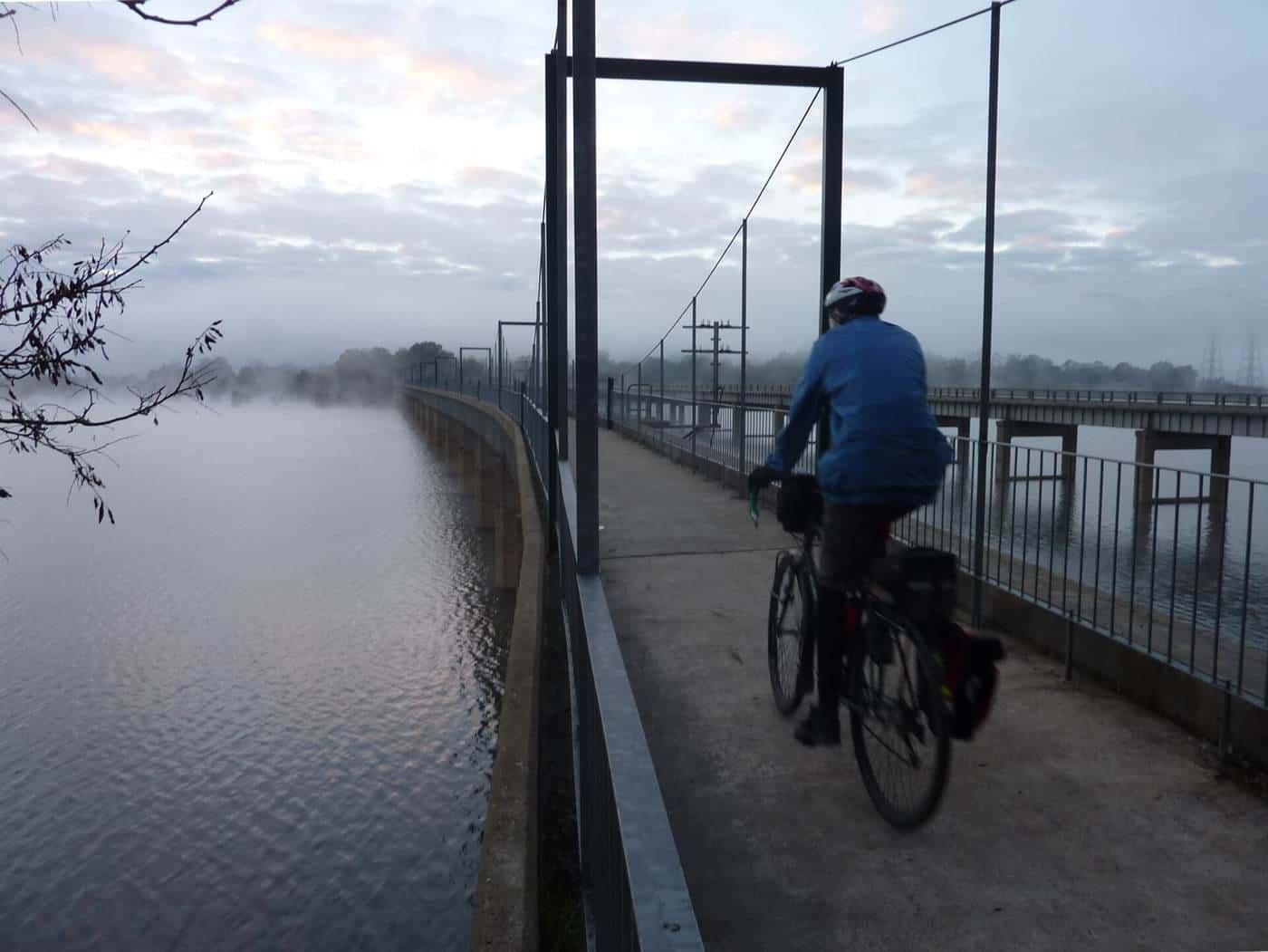
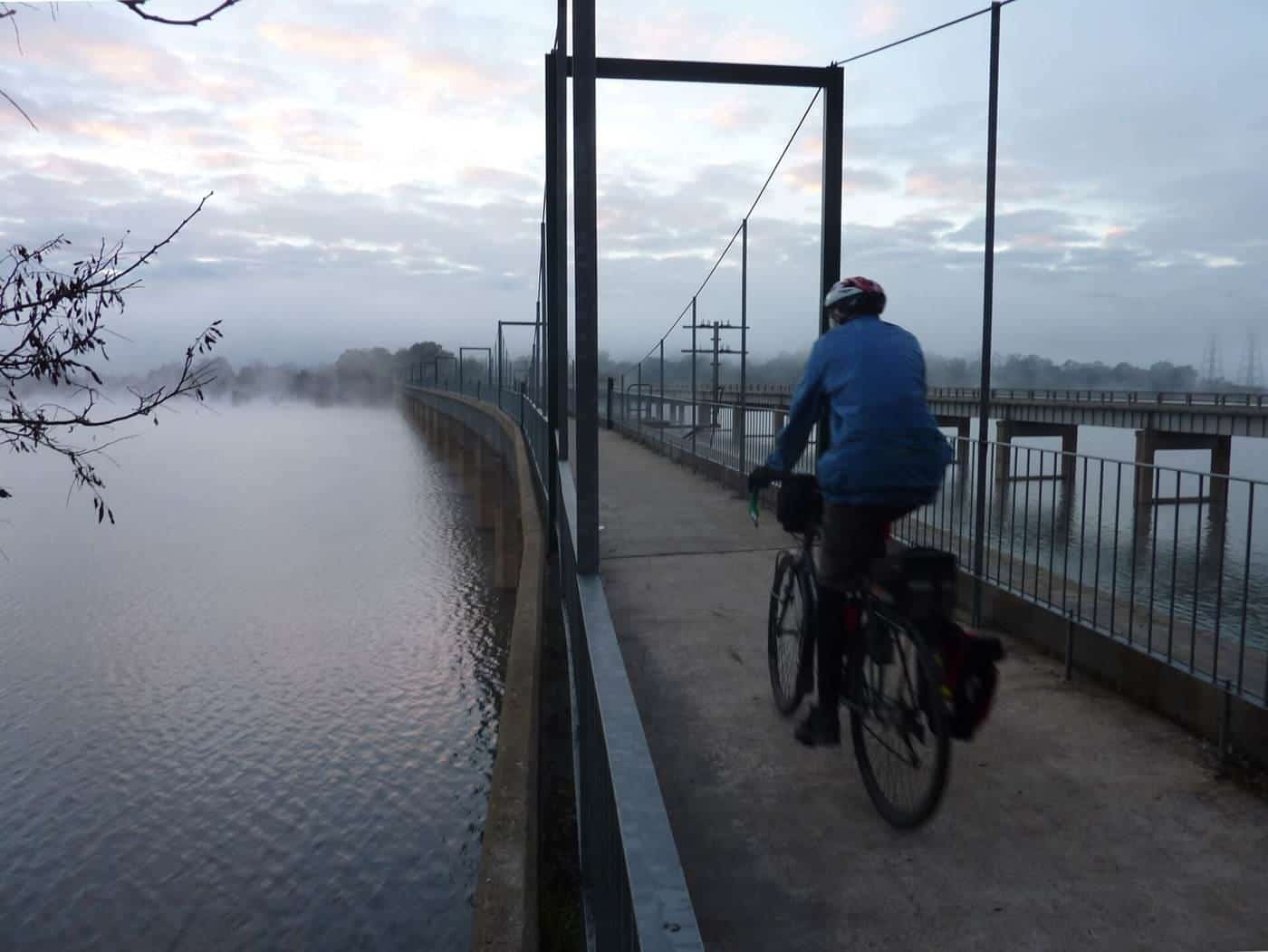
A 134 km trail from Tallarook to Mansfield, with a branch to Alexandra, about 100 km north-east of Melbourne. Highlights include the Cheviot Tunnel and the bridge over Lake Eildon. Read the guide.
Murray to Mountains Rail Trail (Victoria)
Sealed almost the entire way from Wangaratta to Bright, with a branch to Beechworth, through the Ovens Valley in Victoria's north-east. Read the guide.
Riesling Trail (South Australia)
A 35 km trail through the vineyards of the Clare Valley, from Auburn to Clare, with a gentle grade and plenty of places to stop. Read the guide.
Northern Rivers Rail Trail (New South Wales)
A growing trail in the green hinterland of northern NSW, with sections through railway tunnels and over historic bridges. Read the guide.
Choosing a rail trail
Ask yourself a few questions:
- How far do you want to ride? A short trail like the Riesling Trail suits a day or a relaxed weekend. Longer trails take several days. Use our ride planner to estimate.
- What bike will you ride? Sealed trails suit almost any bike. Gravel trails need wider tyres.
- What facilities do you need? Some trails have towns every 10–20 km; others have long stretches without services.
- When will you ride? Summer heat and winter rain can make some trails unpleasant or closed.
- How will you get there and back? Consider car shuttles, public transport and luggage transfers for one-way rides.
Trail etiquette
Rail trails are shared spaces. A few simple habits keep everyone happy:
- Keep left and pass on the right.
- Ring your bell or call out before passing walkers and other riders.
- Give way to walkers, and slow down or stop for horses. Talk to the rider and follow their lead.
- Leave gates as you find them.
- Take your rubbish home, including food wrappers and tubes.
- Stay on the trail. Much of the land beside it is private property.
Surfaces and conditions
Rail trail surfaces vary from smooth asphalt to coarse gravel, sand and dirt. Rain can make unsealed sections soft and muddy, and some trails close after heavy rain to prevent damage. Check the official trail website for current conditions and closures before you go. Watch out for loose gravel on descents, cattle grids, road crossings and wildlife.
Supporting the trails
Most Australian rail trails are free to use and are maintained by councils, state agencies and volunteers. The Lilydale to Warburton Rail Trail in Victoria, for example, has been developed and maintained since 1996 by a combination of volunteers, particularly the Friends of the Lilydale to Warburton Rail Trail, and local, state and federal governments, according to Wikipedia. Spending money in trail towns, joining a Friends group and reporting problems to the trail manager all help keep trails open.
Beyond Australia
New Zealand's Otago Central Rail Trail is one of the world's best-known rail trails, running 150 km through Central Otago. Read our guide in the epic rides hub.
Rail trail ride checklist
0 of 6 done
Ticks are saved in this browser only.
Guides in this section
Rail trails
Brisbane Valley Rail Trail
Ride the Brisbane Valley Rail Trail, Australia's longest at 161 km from Ipswich to Yarraman: route, towns, surface, bikes, heritage, planning and safety.
Read · 5 min
Rail trails
Great Victorian Rail Trail
Ride the 134 km Great Victorian Rail Trail from Tallarook to Mansfield and Alexandra: the Cheviot Tunnel, Lake Eildon bridge, towns, surface and planning.
Read · 5 min
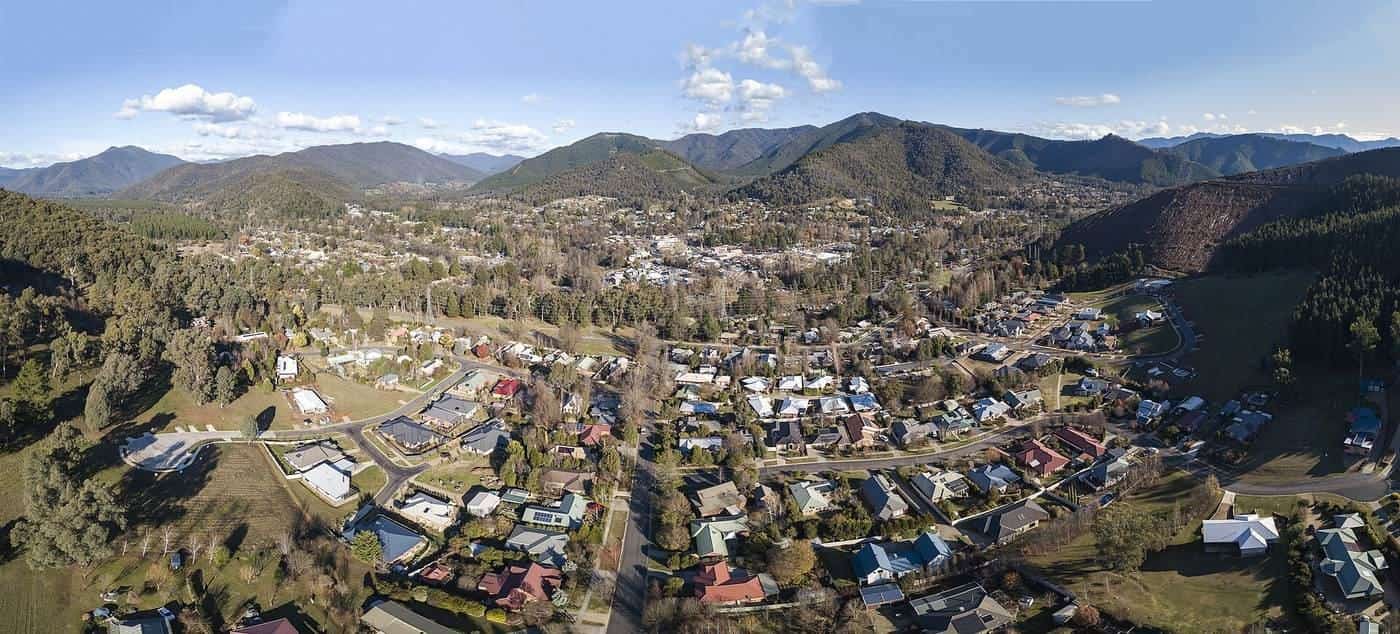
Rail trails
Murray to Mountains Rail Trail
Ride the sealed Murray to Mountains Rail Trail from Wangaratta to Bright, with the Beechworth branch: stages, distances, towns, bikes, seasons and planning.
Read · 5 min
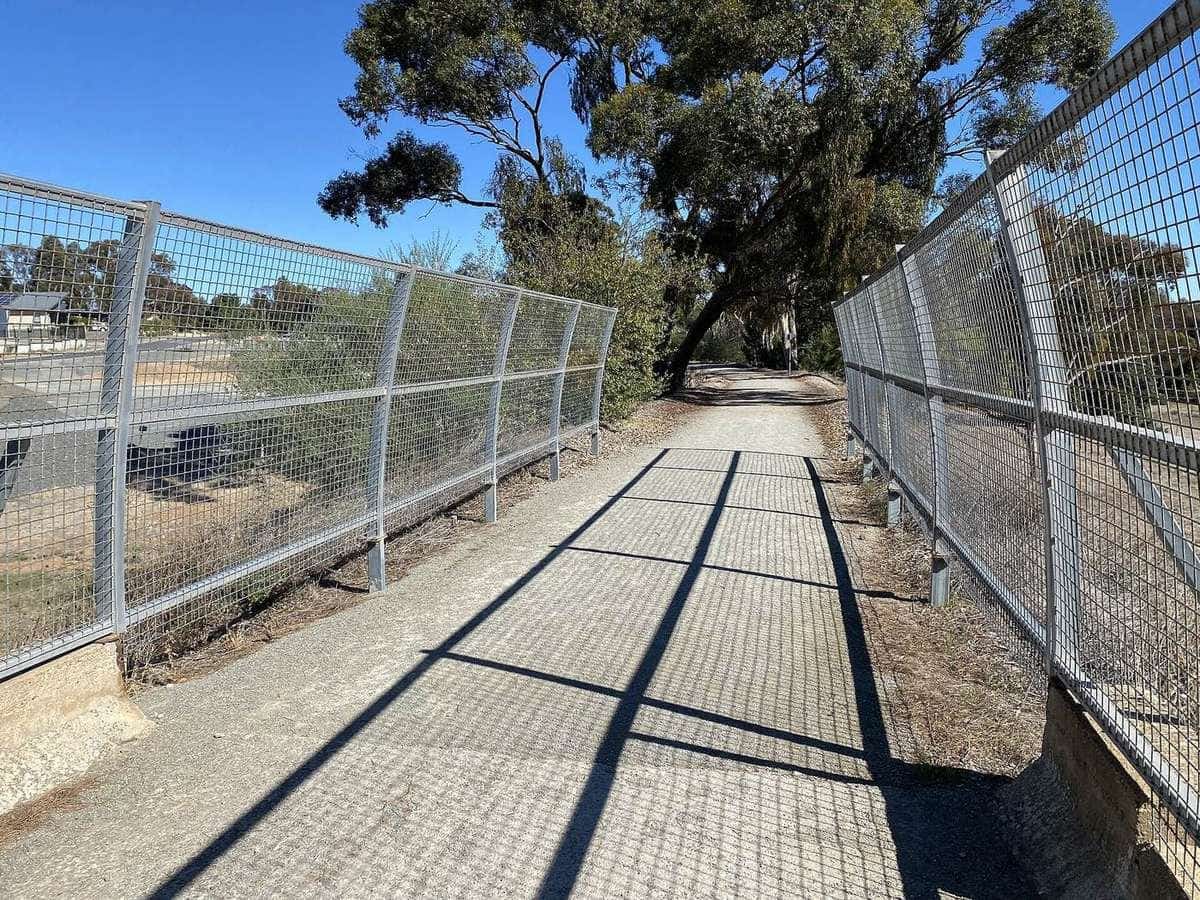
Rail trails
Riesling Trail
Ride the 35 km Riesling Trail through the Clare Valley vineyards from Auburn to Clare: route, towns, history, bike hire, gradients, the Rattler Trail and tips.
Read · 5 min
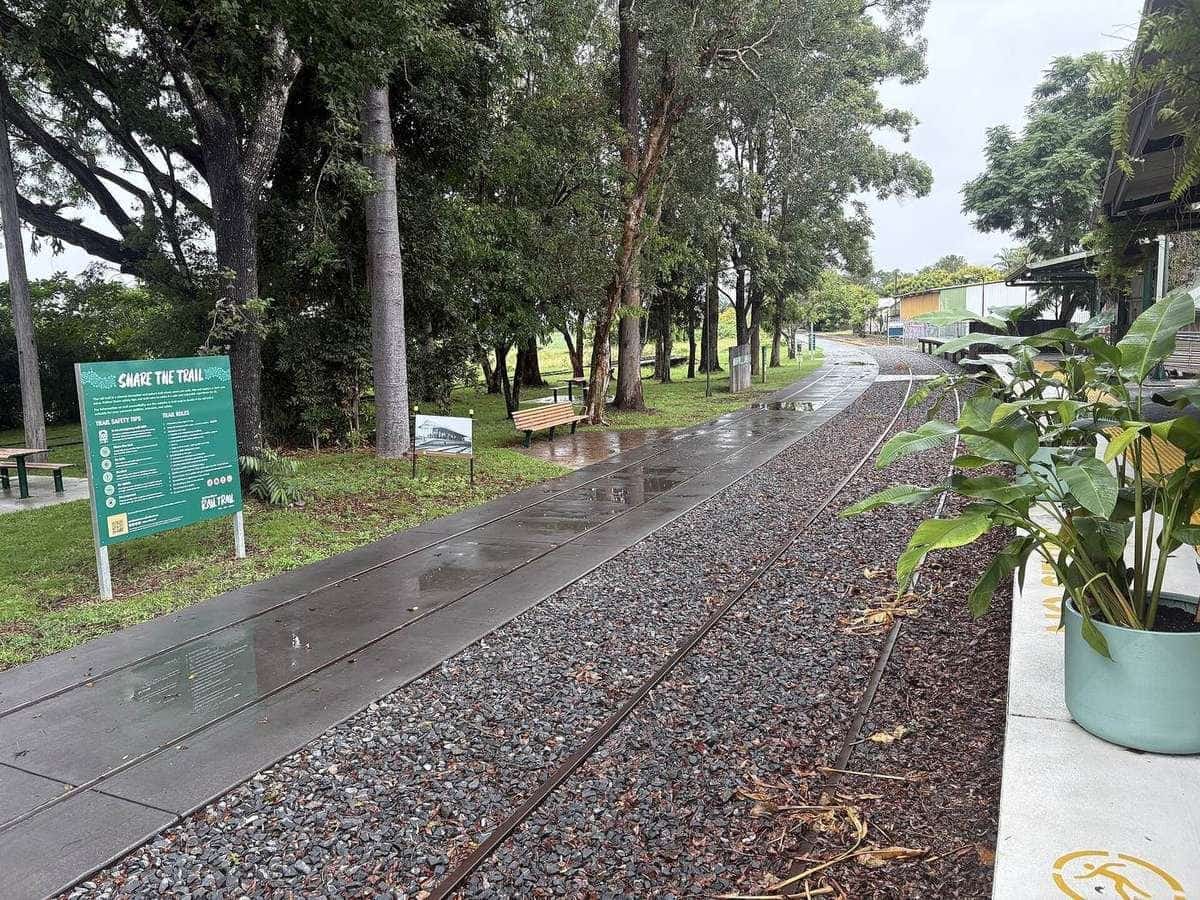
Rail trails
Northern Rivers Rail Trail
Ride the Northern Rivers Rail Trail in northern NSW: the Murwillumbah to Crabbes Creek section and its tunnels, the Casino to Lismore sections, and tips.
Read · 5 min
Frequently asked questions
Are rail trails flat?
Rail trails are rarely completely flat, but because trains needed gentle grades, climbs are usually long and gradual rather than steep. Some trails include sections that deviate from the old railway alignment, which can be steeper.
What bike do I need for a rail trail?
It depends on the surface. Sealed trails like the Murray to Mountains suit almost any bike. Gravel and dirt trails like the Brisbane Valley Rail Trail are not suitable for road or racing bikes, so a hybrid, gravel or mountain bike is better.
Can I walk or ride a horse on rail trails?
Most rail trails are shared paths. Walkers usually have right of way, and many trails, such as the Brisbane Valley Rail Trail, are also open to horse riders. Check each trail's rules.
Are rail trails free to use?
Most Australian rail trails are free to use. They are typically managed by councils, state agencies and volunteer groups, many of which welcome donations.
Do I need to bring a torch?
On trails with tunnels, yes. The Northern Rivers Rail Trail asks visitors to bring torches and dismount in its tunnels, which are habitat for microbats and glowworms.
Sources and further reading
Facts on this page were checked against these primary and official sources. Conditions change — confirm before you travel or buy.
- Rail trail — Wikipedia
- Brisbane Valley Rail Trail — Wikipedia
- Great Victorian Rail Trail — Wikipedia
- Murray to the Mountains Rail Trail — Wikipedia
- Riesling Trail — Wikipedia
- Northern Rivers Rail Trail — Wikipedia
- Lilydale to Warburton Rail Trail — Wikipedia