The recovery that matters on an Australian bicycle tour is unglamorous: sleep, food, water, a few stretches you already know, and the humility to shorten tomorrow. It is not a retreat, and it is not a diagnosis. If something hurts in a new way, or you feel unwell in the heat, you need a person with a qualification, not a heritage URL.
This path is a leftover from the old motorcycle-tour site’s yoga-and-lifestyle copy. That product is not operating here. The path stays because inbound links still exist. The new job is to talk about bodies on multi-day rides without pretending we run a clinic.
Not medicine
This page
Habits, not treatment
BOM
Heat source
Town climate pages and forecasts
Dawn
Hot-state method
Especially Queensland in summer
What touring does to a body, in plain language
A day on a rail trail is repetitive. Railway grades spare the knees some of the violence of alpine roads and then ask the neck, the hands and the saddle contact to do hours of the same job. A day on the Mawson or the Munda Biddi adds vibration, sand and the occasional hike-a-bike. A day on a sealed Victorian path can still wreck a new rider who jumped from the trainer to 80 km because Rail Trails Australia said the asphalt was 137 km long.
None of that requires a Sanskrit caption. It requires a day length you can repeat.
Signs you planned yesterday too hard, as ordinary observation rather than diagnosis: you cannot eat; you cannot sleep; you dread clipping in; your hands are numb in the morning; you are making sloppy decisions at highway crossings. The remedy this site will stand behind is a shorter day, an earlier finish, more food, more water, and a rest day in a town. The remedy this site will not stand behind is a named stretch that “fixes” a nerve, a supplement stack, or a heat-training protocol.
Stretching, stated carefully
People stretch on tours because they have always stretched, or because a friend does. If you already have a simple routine that does not hurt — calves, hips, chest, a gentle twist — doing it after you have cooled down is a reasonable habit. Hold what you can hold without bargaining. Breathe like an adult.
What we will not do:
- prescribe a sequence
- claim a pose prevents injury
- tell you to push into pain
- dress stretching as spiritual wellness for a luxury audience (that URL is now slow wine-region touring)
If you have an existing injury, a hypermobile joint, or a condition that makes stretching complicated, ask a physiotherapist who can see you. A markdoc page cannot see you.
A short walk after you get off the bike is often the recovery move that actually happens: blood moves, the back uncurls, you find the bakery. That is enough philosophy.
Heat management, with BOM in the sentence
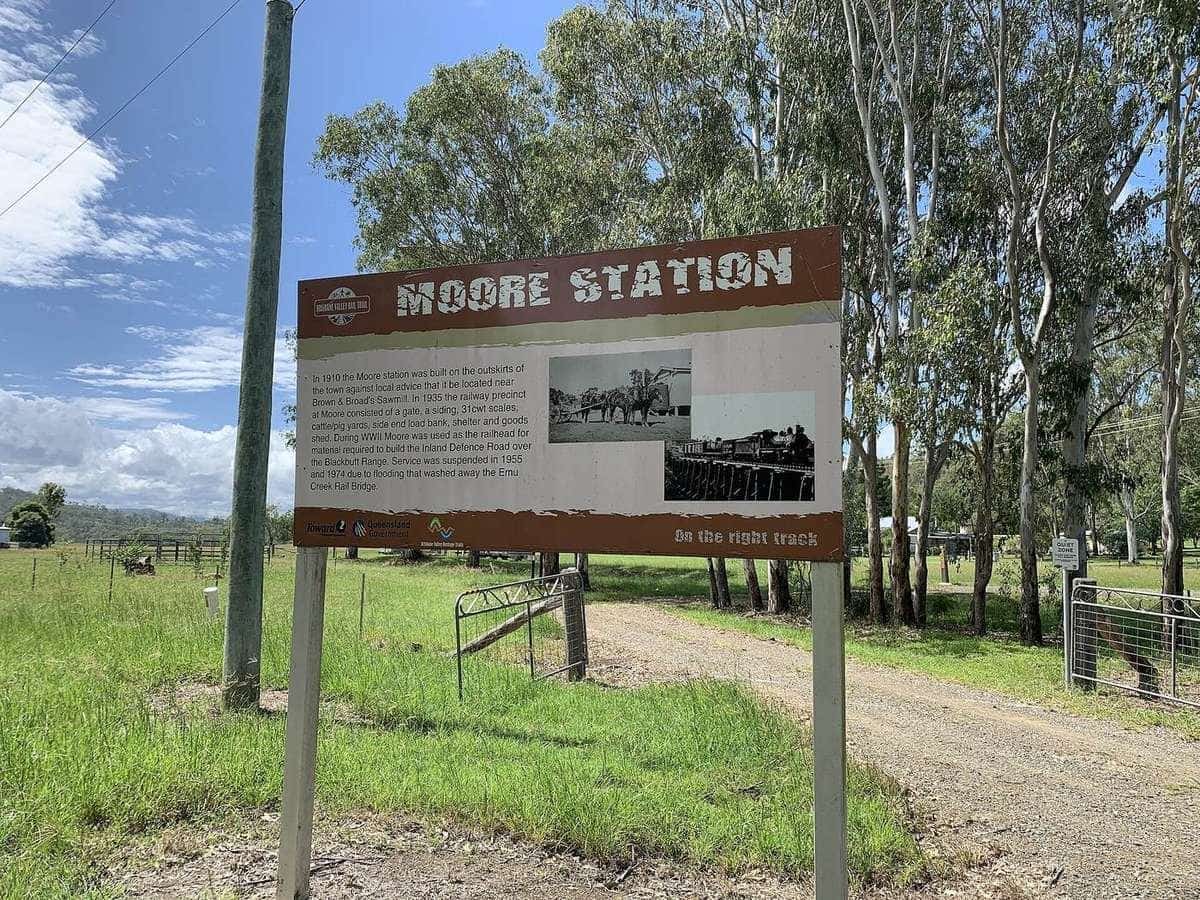
Australian summers injure riders who treat heat as atmosphere. The Bureau of Meteorology publishes climate averages and forecasts. Use both. South East Queensland’s Brisbane Valley is the documented example: 161 km of mixed gravel in a valley whose summer maxima are not a vibe. The Munda Biddi Foundation warns that northern jarrah can exceed 40 degrees. ORSR tells Mawson riders that January to March can be fiercely hot.
Practical habits, still not medicine:
- start at dawn in hot months
- ride the exposed piece early
- carry more water than the next-town line on the map
- rest in shade through the early afternoon
- wear sun protection that still allows sweat
- pour water on skin and clothing when you need cooling
- do not begin a remote section on a severe heatwave day
If you feel dizzy, nauseous, confused, have a headache that is not your usual, stop sweating, or stop making sense to your companions, stop riding. Cool down. Seek local medical help. The Queensland warm-climate page repeats the same BOM caution because that heritage URL needed a job too.
Sleep, food and the town as recovery infrastructure
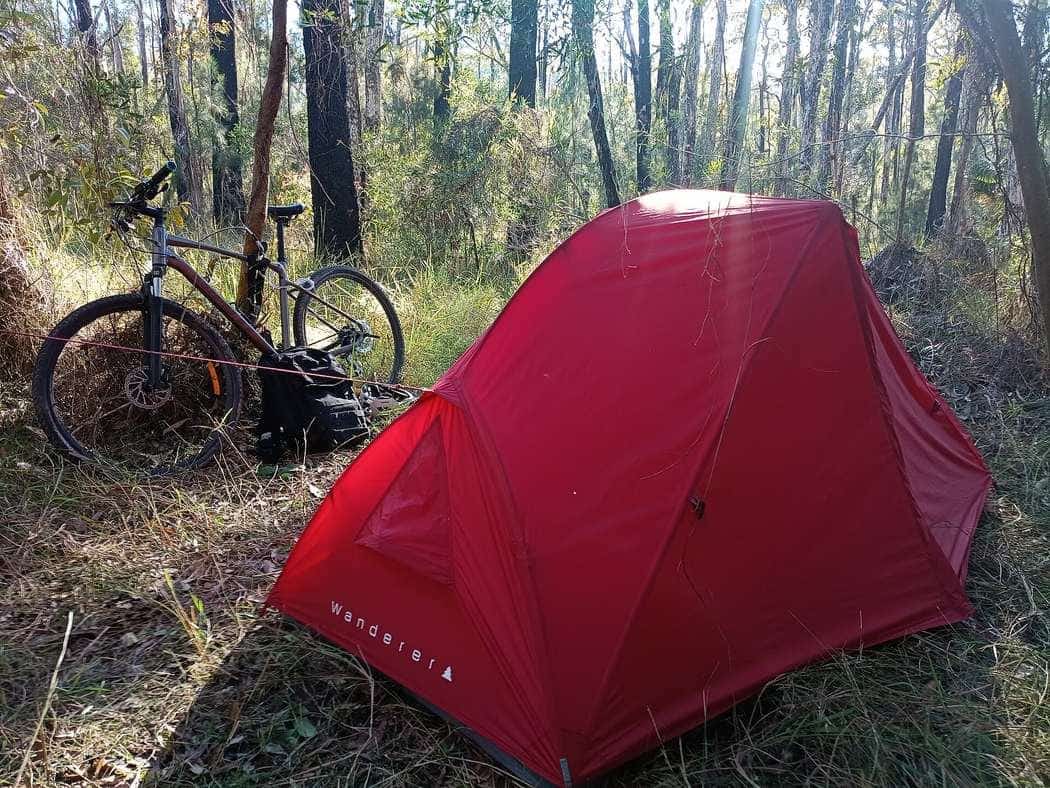
Credit-card touring exists because a bed and a meal repair more riders than a perfectly packed bivy. On the Riesling Trail or the Murray to Mountains, the town is the recovery plan: a shower, a plate, a dark room. On the Munda Biddi, the Foundation’s fire-pit-free shelters are the overnight; pack warm clothing because a forest night after a hot day still drops. On the Mawson, ORSR’s water and fire warnings are part of whether you will sleep at all.
Eat enough. Long days in dry air hide thirst and then hide hunger. A bakery is not a joke item on an Australian rail trail; it is calories you can buy without a stove. We do not invent opening hours.
Alcohol after a hot day is a personal choice and a road-rule problem if you still have kilometres to ride. It is also a sleep problem. This page will not moralise. It will say that tomorrow’s dawn start is harder if tonight is a cellar-door contest. The wellness URL already said: taste after the ride.
Saddle, hands and the kit you already own
A small change in saddle height or handlebar reach, made by someone who knows your bike, prevents more suffering than a new stretch. Pack the multi-tool. Soft gloves help some people on gravel. A second pair of shorts so one can dry is more useful than a third base layer you never wear. What to pack is the list. This page will not turn into a shop.
Numb hands and hot spots are reasons to stop and change position, not reasons to “push through” a 90 km pride day. If numbness persists off the bike, that is a professional conversation.
Rest days and ego
A rest day in Yea, Clare, Esk, Collie or Bright is part of the tour. Walking the town, reading a parks alert, washing clothes, sleeping — those are recovery. Adding a “recovery ride” that is secretly 60 km is how rest days die.
If the group is mixed, the legal e-bike is often the peace treaty, not the yoga mat. Confirm trail watt limits. Charge overnight. Do not let the motorised rider skip eating; the motor does not digest for you.
What we will not do on this URL
We will not sell a yoga retreat. We will not publish medical protocols, breathwork certifications, or a flexibility test. We will not quote a teacher or invent a guru. We will not keep the old lifestyle copy.
We will tell you to cite BOM for heat, trail managers for whether the day is even on, and a local clinician when your body is trying to tell you the tour has changed shape.
How this page connects
Warm-climate Queensland is the heat essay. What to pack is the kit essay. Slow wine-region touring is the pace essay. Tours is the overview that still does not take bookings.
This path once sold a yoga life. It now says: sleep, drink, stretch only what you already trust, start at dawn when BOM says the valley will bake, and call a professional when a webpage is the wrong tool.
Frequently asked questions
Is this medical advice?
No. Nothing on this page is medical, physiotherapy or training advice. If you have a condition, an injury or heat illness, seek a qualified local professional. We describe common touring habits, not treatment.
Why does a cycling site have a /yoga-life/ URL?
It is a heritage path from the previous operator. The old lifestyle copy is gone. The path now talks about recovery and heat management for Australian bicycle tourers.
Sources and further reading
Facts on this page were checked against these primary and official sources. Conditions change — confirm before you travel or buy.
- Climate data — Bureau of Meteorology
- Brisbane Valley Rail Trail — Rail Trails Australia
- About the trail — Munda Biddi Trail Foundation
- Mawson Trail — Office for Recreation, Sport and Racing (SA)